





The cultural significance of casinos in modern society
The Evolution of Casinos and Their Role in Society
Casinos have evolved significantly since their inception, transitioning from small gambling establishments in ancient civilizations to sprawling complexes that serve as entertainment hubs in modern society. Initially, gambling was often viewed with skepticism, associated with vice and moral decay. However, as societies advanced and the understanding of leisure activities broadened, casinos began to emerge as legitimate venues for entertainment and social engagement. They represent a fusion of culture, leisure, and economic activity, providing a space where people can gather and indulge in games of chance, including online casino australia neosurf.

The architectural grandeur of modern casinos plays a crucial role in their cultural significance. These establishments are often designed to create an immersive experience that transcends mere gambling. The lavish interiors, intricate themes, and cutting-edge technology create an inviting atmosphere that draws visitors from all walks of life. In this sense, casinos serve not only as places for gambling but also as cultural landmarks, contributing to the identity of the cities in which they are located. They often reflect the local culture and values, adapting to the tastes and preferences of their clientele.
Furthermore, casinos can act as catalysts for tourism, significantly impacting local economies. Cities that invest in casino development often see an influx of tourists eager to experience the unique entertainment offerings. This can lead to job creation and stimulate growth in various sectors such as hospitality, retail, and transportation. Thus, casinos play an essential role not only in the leisure and entertainment sector but also as contributors to the overall economic landscape of their regions.
Casinos and Social Interaction
The social aspect of casinos cannot be overstated; they have become modern-day social hubs where individuals gather to connect, celebrate, and share experiences. The very nature of gambling fosters interaction, as players often engage with one another at tables or within gaming areas. This dynamic creates a vibrant atmosphere where friendships can blossom, and social bonds can be strengthened. In a world increasingly dominated by digital interactions, casinos offer a tangible space for face-to-face connections and foster a community around shared experiences.
Additionally, casinos host various events and promotions that encourage community participation. From themed nights to poker tournaments, these events often attract both seasoned gamblers and casual visitors, fostering a sense of camaraderie among attendees. Celebrating milestones or simply enjoying an evening out can turn an ordinary casino visit into a memorable event, marking special occasions with friends and family. This social dimension enhances the cultural fabric of casinos, making them more than just places for gambling.
Moreover, casinos often support local charities and community initiatives, further embedding themselves into the social fabric of their locations. Many casinos engage in corporate social responsibility efforts, donating a portion of their profits to local organizations, educational programs, and healthcare initiatives. This support not only strengthens community ties but also helps to reshape the perception of casinos from merely profit-driven enterprises to socially responsible institutions that contribute positively to society.
The Psychological Appeal of Gambling
The allure of gambling is deeply rooted in human psychology. Casinos leverage various psychological principles to create an environment that encourages prolonged engagement. The thrill of potential reward plays a significant role in why people are drawn to these establishments. The anticipation of winning, combined with the sensory stimulation of lights, sounds, and the rush of excitement, creates an intoxicating atmosphere that can be difficult to resist.
Moreover, the concept of escapism is central to the cultural significance of casinos. For many individuals, casinos provide a temporary reprieve from the stresses of daily life. The immersive experience allows players to momentarily step away from their realities, engaging in a world where fortunes can change in an instant. This escape, while enjoyable, can sometimes lead to addictive behaviors; thus, understanding the psychological dynamics at play is essential for responsible gaming practices that protect players.
The connection between gambling and social status is also noteworthy. Winning can elevate a player’s status among peers, fostering a sense of achievement and recognition. This desire for social validation can further entrench individuals in gambling cultures. While the thrill of winning is a strong motivator, it is essential to remain aware of the potential pitfalls and to advocate for responsible gambling practices that ensure enjoyment without adverse effects.
Casinos as Cultural Symbols
Casinos often symbolize a certain lifestyle and ethos that attracts individuals seeking excitement and indulgence. In popular culture, they have been romanticized in movies, music, and literature, portraying an aura of glamour and risk. This representation creates a mystique around gambling that draws people in, suggesting that fortune and adventure await within the walls of a casino. Such depictions shape societal perceptions, often elevating the casino experience to a form of aspirational living.
Moreover, the cultural rituals surrounding gambling further enhance the significance of casinos. Activities such as placing bets, celebrating wins, or participating in high-stakes games can become integral parts of a player’s identity. The shared experiences among players contribute to a collective culture that values luck, strategy, and sometimes, superstition. This communal aspect fosters traditions that can be passed down through generations, reinforcing the enduring cultural importance of casinos.
As global travel becomes more accessible, the cultural significance of casinos extends beyond regional borders. International visitors flock to renowned casinos, blending their own cultural backgrounds with local gambling practices. This fusion enriches the casino landscape, creating diverse environments where various traditions and customs coexist. Consequently, casinos become melting pots of cultural exchange, illustrating how a single concept can resonate across different societies.
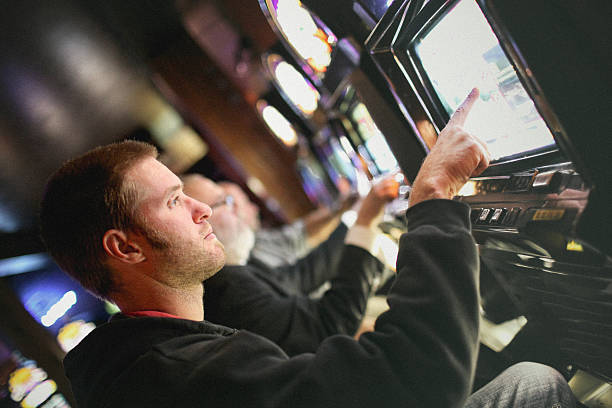
Exploring the Online Casino Experience
With the rise of technology, the cultural significance of casinos has expanded into the digital realm. Online casinos have transformed traditional gambling, allowing players to engage from the comfort of their homes. This accessibility has reshaped the gambling landscape, attracting a new demographic of players who may have previously felt intimidated by physical casinos. The online environment democratizes gambling, offering a wide range of games and platforms that cater to individual preferences and styles.
Online casinos also foster unique forms of social interaction through features like live dealer games and chat functions. These innovations allow players to engage with each other and dealers, replicating the social experience found in physical casinos while providing the convenience of remote access. This blend of technology and social interaction illustrates how online casinos have retained cultural significance while evolving to meet the demands of modern society.
As online gambling continues to grow, the importance of responsible gaming practices is highlighted even more. The anonymity of online platforms can lead to challenges related to addiction and impulse control. Therefore, it is crucial for players to approach online gaming with the same sense of caution and responsibility that is emphasized in traditional casinos. Resources and support systems are increasingly becoming available to help players maintain a balanced approach to their gaming experiences, reinforcing the importance of cultural awareness and responsibility in the gambling sphere.